Data Archi Talks

The Art and Science of Data Partitioning: A Comprehensive Guide

Imagine running a library where thousands of new books arrive every day. To keep track of everything, you categorize books into sections so that readers can quickly find what they want. This is the essence of data partitioning, a method of dividing massive datasets into smaller, more manageable pieces. Whether your data lives in a data lake, a relational database, or a NoSQL system, partitioning can significantly improve performance by allowing queries to skip irrelevant chunks of information. It also makes data archiving and maintenance easier, since older or less-used partitions can be isolated or removed without affecting the rest. However, partitioning is not a universal fix. It shines brightest when data is large, query patterns are predictable, and the infrastructure supports the necessary overhead.

The Art and Science of Data Partitioning: A Comprehensive Guide Read More »

Illuminating the Enterprise Data Path: How to Build a Scalable and Trustworthy Data Architecture

Modern enterprises increasingly rely on data for a competitive edge, yet many organizations find themselves struggling with siloed data systems, inconsistent definitions, and slow performance. A robust, top-down data architecture provides clarity about how data is structured, stored, and accessed across the business, enabling teams to work with trustable information and respond rapidly to emerging opportunities. By starting with conceptual design that aligns with core business processes, then progressing to logical design to determine how data flows among different systems, enterprises can create a blueprint that fosters both current efficiency and long-term scalability. This blog explores the essential steps in designing effective data architectures and underscores the critical role of data governance in ensuring that these architectures remain adaptable, secure, and up to date.

Illuminating the Enterprise Data Path: How to Build a Scalable and Trustworthy Data Architecture Read More »

Choosing the Right Database: A Comprehensive Guide to Relational, Columnar, Document, Key-Value Pair, and Graph Databases

Choosing the right database is crucial for the performance and scalability of your application. In this insightful blog, we delve into five major types of databases—Relational, Columnar, Document, Key-Value Pair, and Graph databases. We’ll explore their architectures, ideal use cases, data types they handle best, and weigh their advantages and disadvantages. Whether you’re dealing with complex transactions, large-scale analytics, flexible content management, simple caching, or intricate relationships, this guide will help you identify the database type that aligns perfectly with your business needs and data. Unlock the potential of your data by making informed decisions tailored to your application’s requirements.

Choosing the Right Database: A Comprehensive Guide to Relational, Columnar, Document, Key-Value Pair, and Graph Databases Read More »

Overcoming Challenges in Data Governance and Securing Executive Buy-In

Data governance is an essential aspect of managing the data lifecycle within an organization. It involves the classification, inventory, and protection of data to ensure privacy, security, and compliance with legal regulations. However, implementing effective data governance strategies is often met with challenges, especially in securing executive buy-in. This blog will explore common obstacles in

Overcoming Challenges in Data Governance and Securing Executive Buy-In Read More »

Implementing and Managing Data Inventory: A Guide for Privacy Governance

Introduction In today’s digital landscape, managing data effectively is more critical than ever. With the increasing volume of data being generated, understanding how to implement and manage a robust data inventory system is essential for maintaining privacy governance and ensuring compliance with various regulations. This blog, the third in my four-part series on Privacy Governance

Implementing and Managing Data Inventory: A Guide for Privacy Governance Read More »

Navigating the Legal and Regulatory Landscape

In the ever-evolving world of data privacy, navigating the legal and regulatory landscape can seem daunting, especially for those new to the field. However, understanding the key principles and the significance of privacy laws is essential for ensuring compliance and protecting both the business and its users. This blog will guide you through the basics

Navigating the Legal and Regulatory Landscape Read More »

Understanding Privacy Governance and Data Classification

In today’s digital age, businesses collect vast amounts of data from customers, partners, and employees. While this data is crucial for driving innovation and growth, it also comes with significant responsibilities. Privacy governance is one of the key responsibilities that businesses must manage effectively to ensure that this data is protected and used ethically. But

Understanding Privacy Governance and Data Classification Read More »

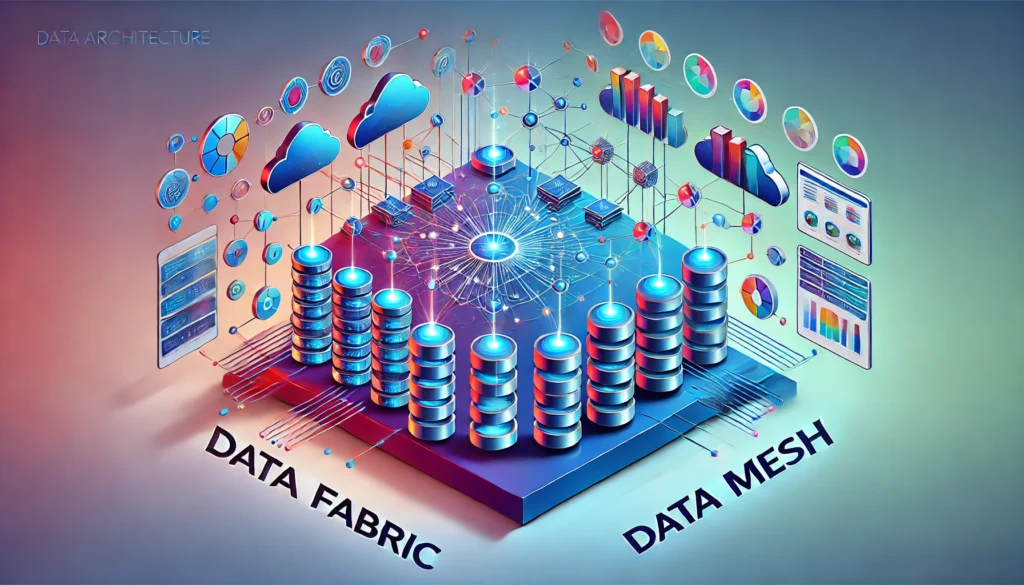
Demystifying Modern Architectures: Data Fabric and Data Mesh

Imagine you’re at a bustling city market. It’s a vibrant place where vendors sell everything from fresh fruits to hand-crafted jewelry. Now, picture that you’re in charge of making sure every stall has what they need, every customer finds what they’re looking for, and everything runs smoothly. That’s a lot like managing data in today’s

Demystifying Modern Architectures: Data Fabric and Data Mesh Read More »

Scroll to Top