
Introduction: Power without Conscience
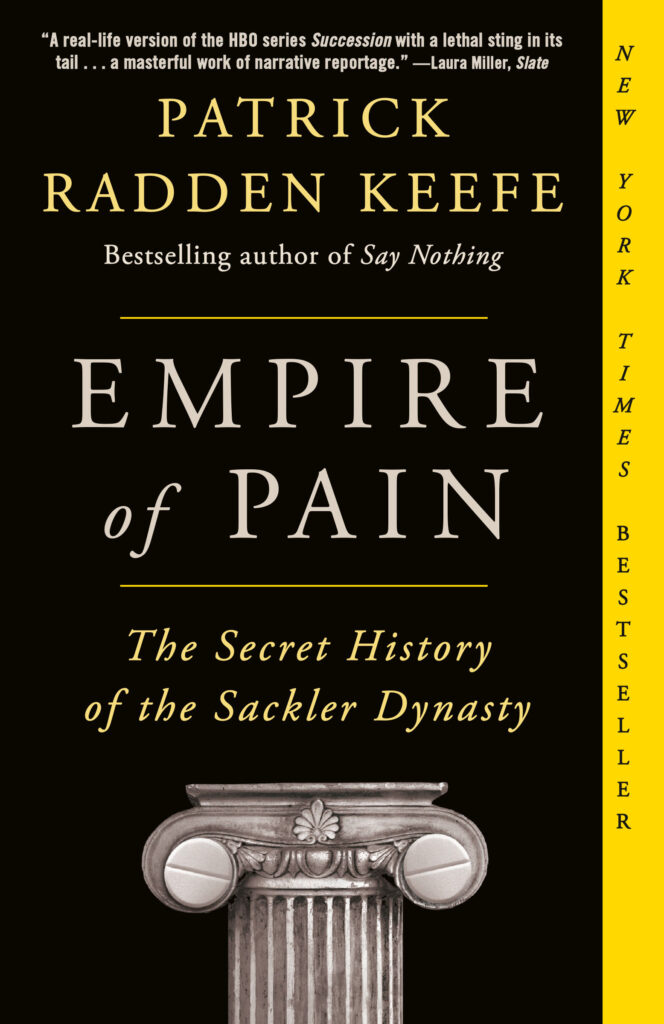
Empire of Pain by Patrick Radden Keefe is not just the story of one family: it is a powerful warning. The Sacklers, once revered for philanthropy, were also the force behind Purdue Pharma, the company that unleashed OxyContin and fueled America’s opioid crisis. This is not just a tale of corporate greed; it is a masterclass in how unchecked ambition, clever marketing, and ethical blindness can spiral into devastating consequences.
But beyond the scandal lies something more valuable for us all: real-world lessons. Whether you are a leader, marketer, entrepreneur, or simply navigating life, the Sackler saga offers hard-hitting insights about integrity, accountability, and the consequences of our choices.
Here are seven practical lessons to carry into your own life so you lead, influence, and build with clarity and conscience.
1. Integrity Beats Reputation
The Sacklers built their legacy on prestigious donations, museums, universities, and galleries, all stamped with their name. To the world, they were patrons of the arts. But behind the scenes, they profited from a drug crisis that ruined millions of lives.
Lesson: Your reputation is what people think of you. Your integrity is who you really are. Eventually, the truth wins.
Real-life tip: When faced with a shortcut that compromises your values, whether it is misreporting results at work or hiding a mistake, choose transparency. Integrity might cost you in the short term, but it builds real trust.
2. Marketing Needs Morals
Arthur Sackler was a marketing genius. He revolutionized pharmaceutical sales with aggressive, emotional, and persuasive strategies. That playbook later pushed OxyContin with wild success but little regard for its addictive nature.
Lesson: Marketing is powerful. But when divorced from ethics, it can do real harm.
Real-life tip: Whether you are promoting a business, a product, or yourself, be honest about what you are offering. Focus on solving real problems, not just selling hard. Ethical marketing builds long-term loyalty.
3. Accountability Starts at the Top
Despite growing evidence that OxyContin was being abused, the Sacklers denied wrongdoing and deflected responsibility. Executives blamed doctors, patients, and even the media but rarely acknowledged their role.
Lesson: Leadership is not just about making decisions; it is about owning the consequences.
Real-life tip: If you lead a team or a project, set the tone. When something goes wrong, be the first to ask, “What part of this is on me?” It earns respect and creates a culture of responsibility.
4. Transparency Prevents Tragedy
Keefe shows how Purdue Pharma downplayed data, hid internal warnings, and misled regulators. Had they shared the full truth early, much suffering might have been avoided.
Lesson: When truth is buried, harm multiplies.
Real-life tip: In your job, family, or community, be someone who shares information clearly and early, even when it is uncomfortable. Whether it is budget shortfalls or health concerns, open communication can prevent crises.
5. Wealth Does Not Equal Wisdom
The Sacklers used their wealth to gain influence on boards, in academia, and in politics. But power does not make you right. Their choices show how money can insulate people from reality and consequences.
Lesson: Do not confuse financial success with moral clarity.
Real-life tip: Do not be dazzled by titles or bank accounts. Ask, “Is this person’s advice grounded in truth? Are their actions aligned with good values?” Build your circle around character, not clout.
6. Courage Means Speaking Up
Many insiders, doctors, employees, and patients saw warning signs but were afraid to speak. Whistleblowers eventually came forward, but it took years and immense courage.
Lesson: Staying silent in the face of wrongdoing is a form of complicity.
Real-life tip: If you witness something unethical, raise your voice. Maybe it is a colleague cutting corners or a harmful policy at work. You do not have to go public; start with a conversation. Your voice matters more than you think.
7. Legacy Is Built Daily
The Sacklers tried to secure their legacy through buildings and endowments. But now, their name is being removed from institutions around the world. Why? Because legacy is not just what you leave behind; it is what people remember about how you lived.
Lesson: Your daily choices shape how you are remembered.
Real-life tip: Ask yourself, if someone described me based on my actions today, what would they say? Kind? Reliable? Honest? Build your legacy by showing up with purpose and care every single day.
Conclusion: Choose Conscience Over Control
Empire of Pain is not just a story of corruption; it is a reminder that power without conscience is dangerous. The Sacklers had influence, money, and brilliance, but they lacked the moral compass to wield it wisely.
You do not need to be a billionaire or a CEO to take these lessons to heart. In your choices, big and small, you have the chance to lead with ethics, to market with honesty, and to build a legacy that matters.
Reflect. Act. Lead with care. The world needs more principled power, and it starts with you.